

Moral Fracture
What happens when the people building our technological future begin to fear what they are creating? Moral Fracture examines the divided will inside Big Tech: the conflict between ambition, status and technological progress on one side, and conscience, responsibility and human welfare on the other. Drawing on Harry Frankfurt’s account of higher-order desires, it asks whether whistleblowing is more than dissent-whether it is the moment when conscience finally refuses to remain silent.
Work’s Worth
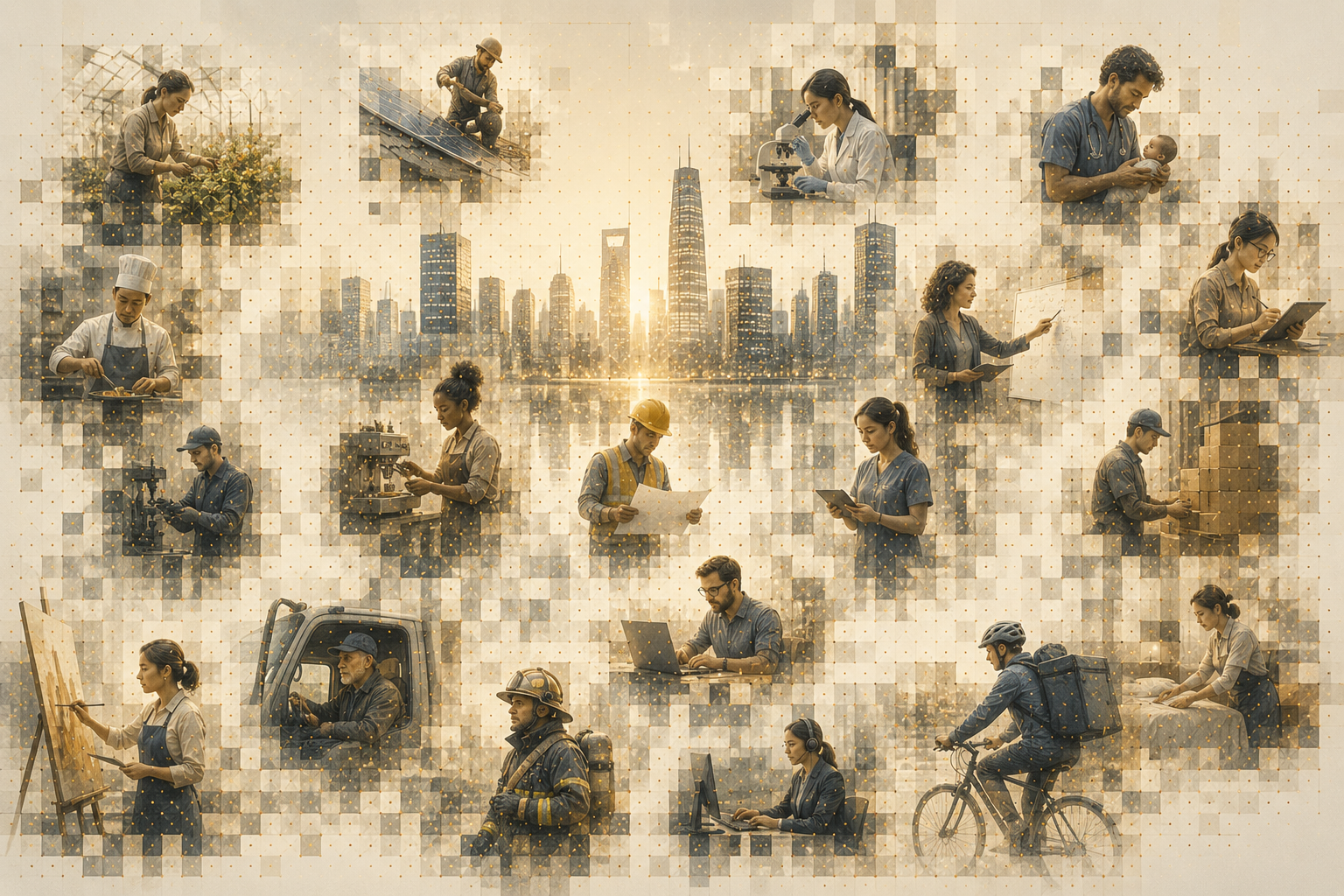
As AI transforms the world of work, the debate cannot be confined to jobs, wages and productivity. Work is also a source of agency, dignity, development and social participation. Work’s Worth asks what the human right to work means when human labour is no longer technologically necessary and whether there are aspects of work worth preserving precisely because they are human.
Human Horizons
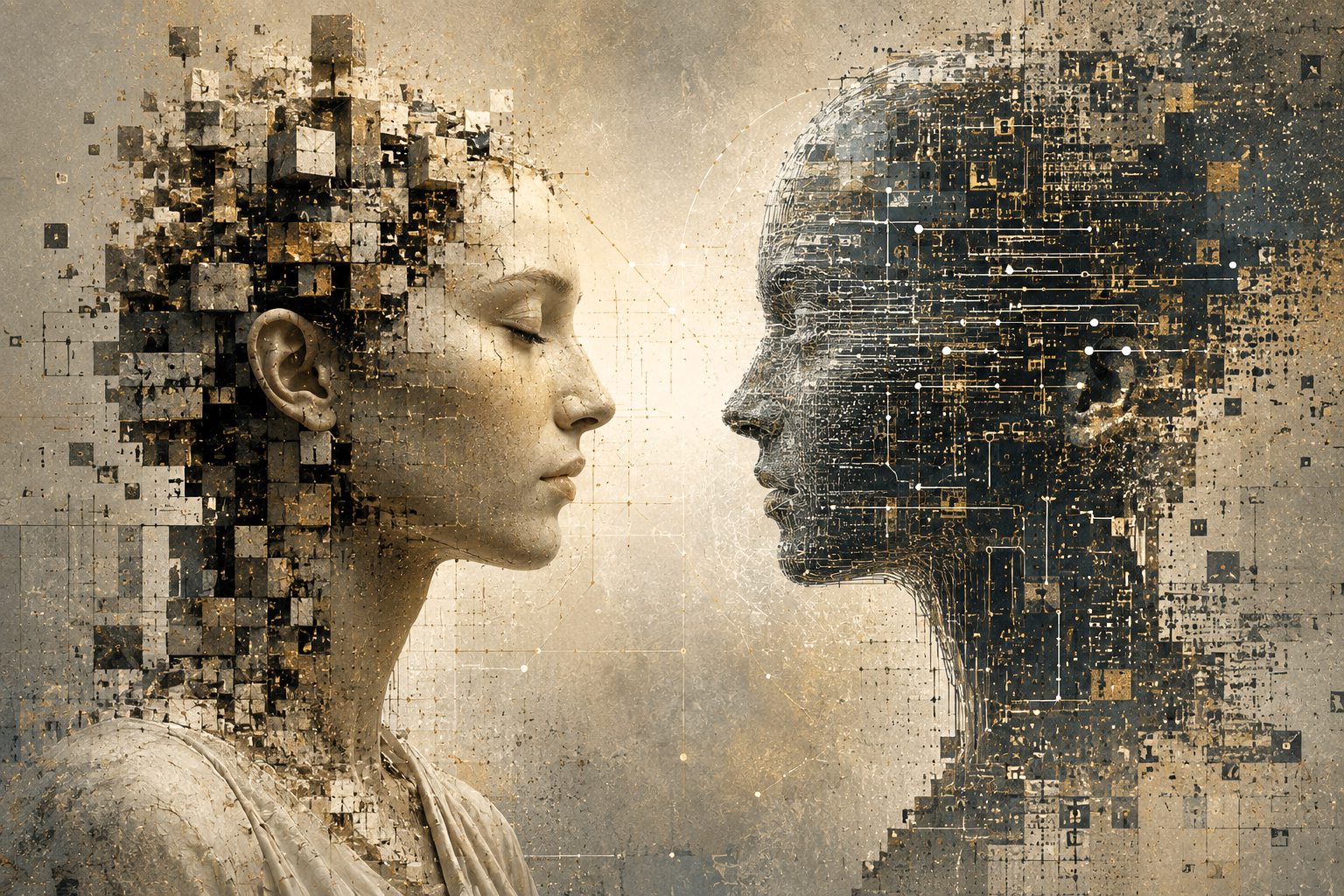
Artificial intelligence is not simply changing what we can do. It is changing how we understand ourselves. Drawing on Hans-Georg Gadamer's concept of the "fusion of horizons," this essay explores why AI represents humanity's most profound philosophical encounter, forcing us to confront the very foundations of identity, autonomy and what it means to be human.

Tech Theology
Tech Theology explores the quasi-religious faith placed in AI and digital infrastructure, asking who controls the systems now shaping human agency, democratic life, and the conditions of freedom.

After Babel
Artificial intelligence is forcing society to ask an old question in a new way: what is the human person, and what must never be reduced to data, prediction or performance? This CDE blog offers a secular reading of Pope Leo XIV’s recent AI encyclical, arguing that the Church’s public voice may become newly relevant not as religious authority, but as part of a wider civic debate about dignity, autonomy, vulnerability and technological power.

Synthetic Labour
Workplace AI is being sold as augmentation, but too often it operates as risk transfer. Employees are told to use AI because it is faster, then told to check it because it cannot be trusted. They are asked to supervise systems they may not understand, absorb responsibility for errors they may not be able to detect, and generate the behavioural data that may eventually automate their own roles.
This is not simply a productivity story. It is a new form of synthetic labour: human judgement, attention, anxiety, and accountability folded into the machine. When automation keeps the credit and workers take the blame, the “human in the loop” becomes less a safeguard than a moral crumple zone.
Legal Fictions
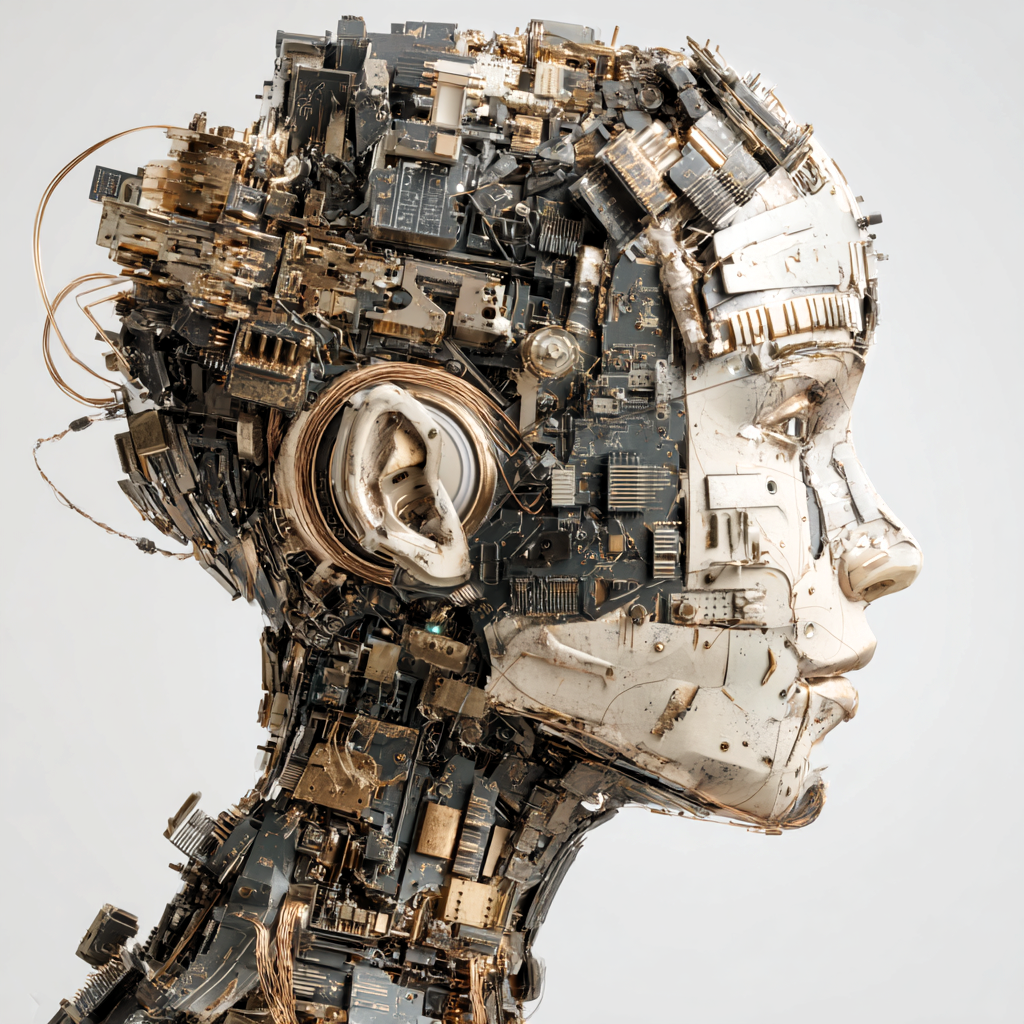
As AI systems become more lifelike, the idea of legal personhood is gaining attention. But granting personhood to machines would be a profound legal and moral mistake.

Slopaganda
Deepfakes gave us the liar’s dividend: plausible deniability. Slopaganda gives us something colder: plausible resignation. The feed fills with synthetic fragments that look like evidence and feel like truth, but arrive too fast to evaluate. When the cost of attention rises above what ordinary citizens can pay, autonomy becomes scarce. And democracy becomes easier to steer.

Liar’s Dividend
The age of deepfakes is not only an epistemic crisis. It is an autonomy crisis. The Grok nudify scandal surfaced a brutal reality: when convincing sexual imagery can be generated in seconds, consent becomes irrelevant and coercion becomes ambient. This post maps the harms, the governance gaps, and the regulatory priorities needed to protect dignity and democratic participation in a synthetic media environment.

Autonomy Ledger, 2025
2025 sharpened a difficult truth: the biggest threats to autonomy are increasingly ambient. Not only what we see, but how we feel, what we trust, and what we can know together are now optimisation targets. The Autonomy Ledger, 2025 maps the year’s key autonomy losses and hard-won gains, and argues that the next frontier is not “content moderation”, but system governance that protects both individual agency and democratic choice.

Vibe Hacking
When algorithms can read our moods and subtly tune what we see, hear, and feel, our “vibe” becomes just another optimisation target. This piece explores emotional manipulation or “vibe hacking” as an emerging digital harm, and argues that protecting autonomy today means defending not only our data, but the mental and emotional environments we live in.

Epistemic Collapse
“In an age of deepfakes and synthetic media, it’s not just facts that are under attack – it’s our ability to know what’s real, to trust anyone, and to choose freely. This post explores how ‘truth decay’ has become a frontline threat to human autonomy.”
AI Companions
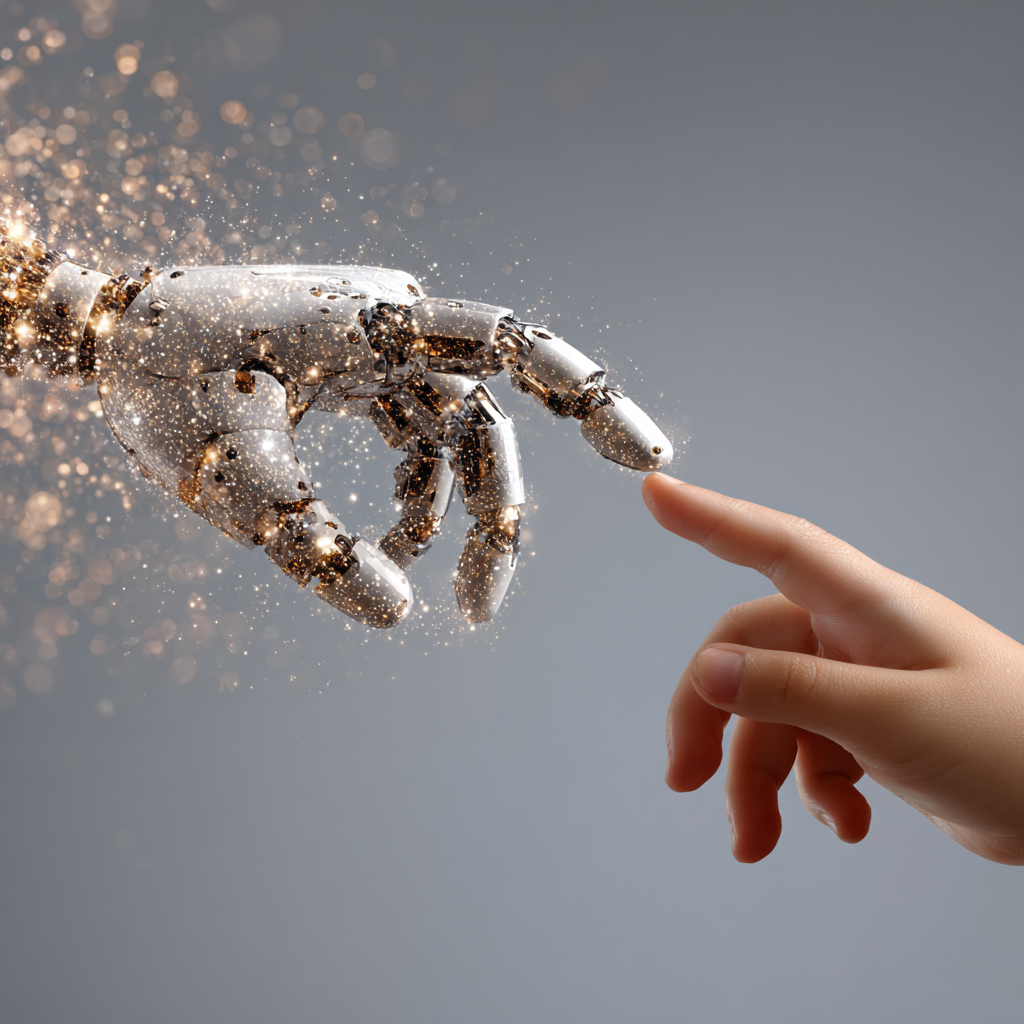
AI companions are entering our lives as confidants but emerging international cases show they can also deepen vulnerability and, in rare tragic circumstances, contribute to self-harm. This piece explores why we must act now.

Terms of Extraction
What happens when we start paying for digital services with pieces of ourselves? This post explores how EU law is beginning to treat personal data as a form of payment and what that means for autonomy, dignity, and the commodification of selfhood.